Stone, with its timeless beauty and durability, has played a fundamental role in human history, being one of the most precious and elegant natural materials used since antiquity. The Stone is a silent witness to the cultural and technological evolution of humanity, utilized in both artworks and architecture. Its variety of colors and veins, unique to each block, has always fascinated artists and architects, making it the protagonist of masterpieces that have spanned the centuries.
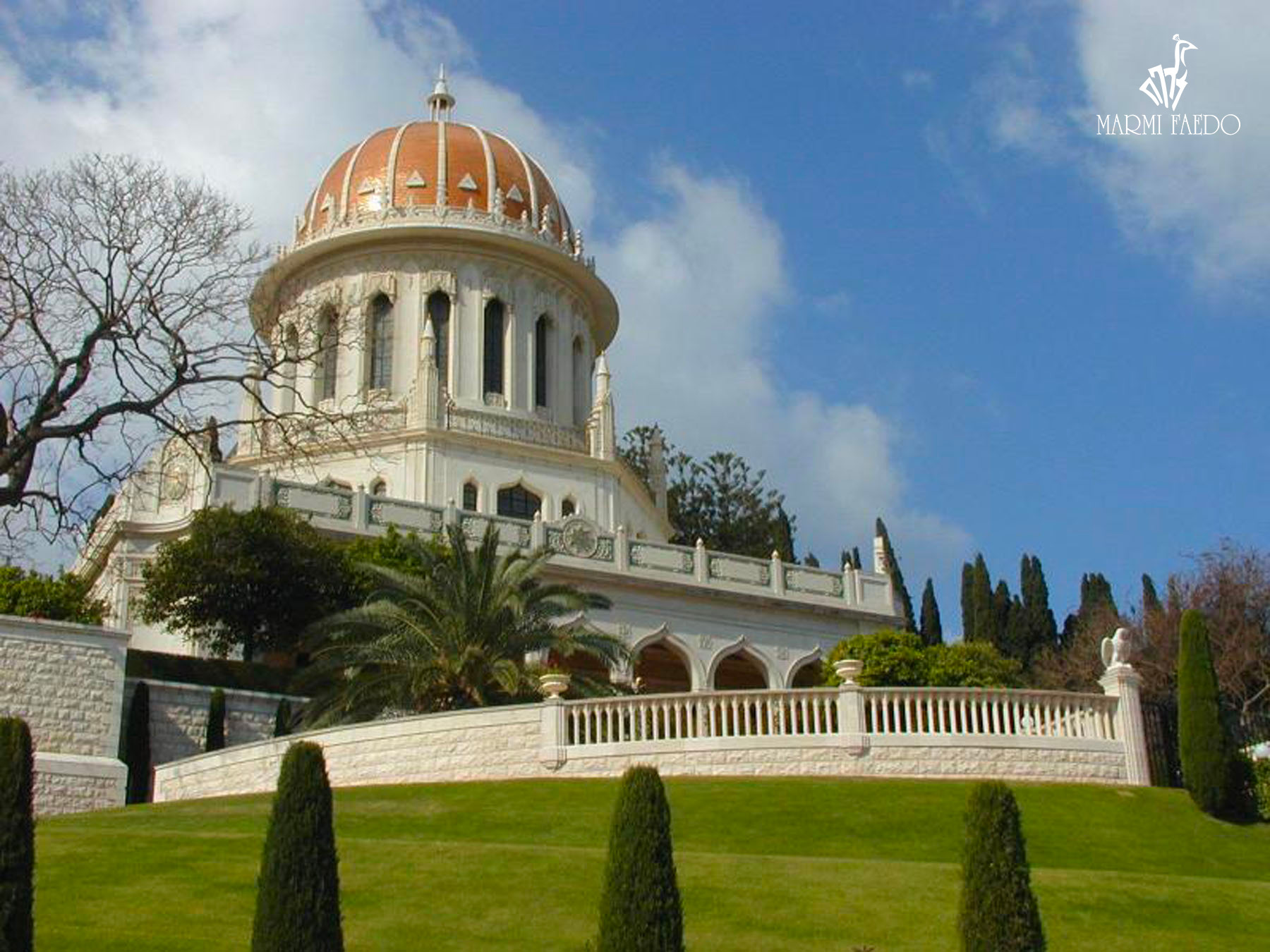 From the ancient civilizations of Greece and Rome, where it was used to construct temples, statues, and monuments, to its presence in Renaissance works, stone has always symbolized nobility, purity, and unchanging beauty. Its processing, requiring skill and precision, has refined techniques and tools over time, allowing for the creation of increasingly sophisticated works. Today, stone continues to be chosen for its timeless elegance, testifying to how, despite the millennia, this natural material maintains an undisputed charm, capable of combining the majesty of the past with the innovation of the present.
Grolla Stone: a unique natural material
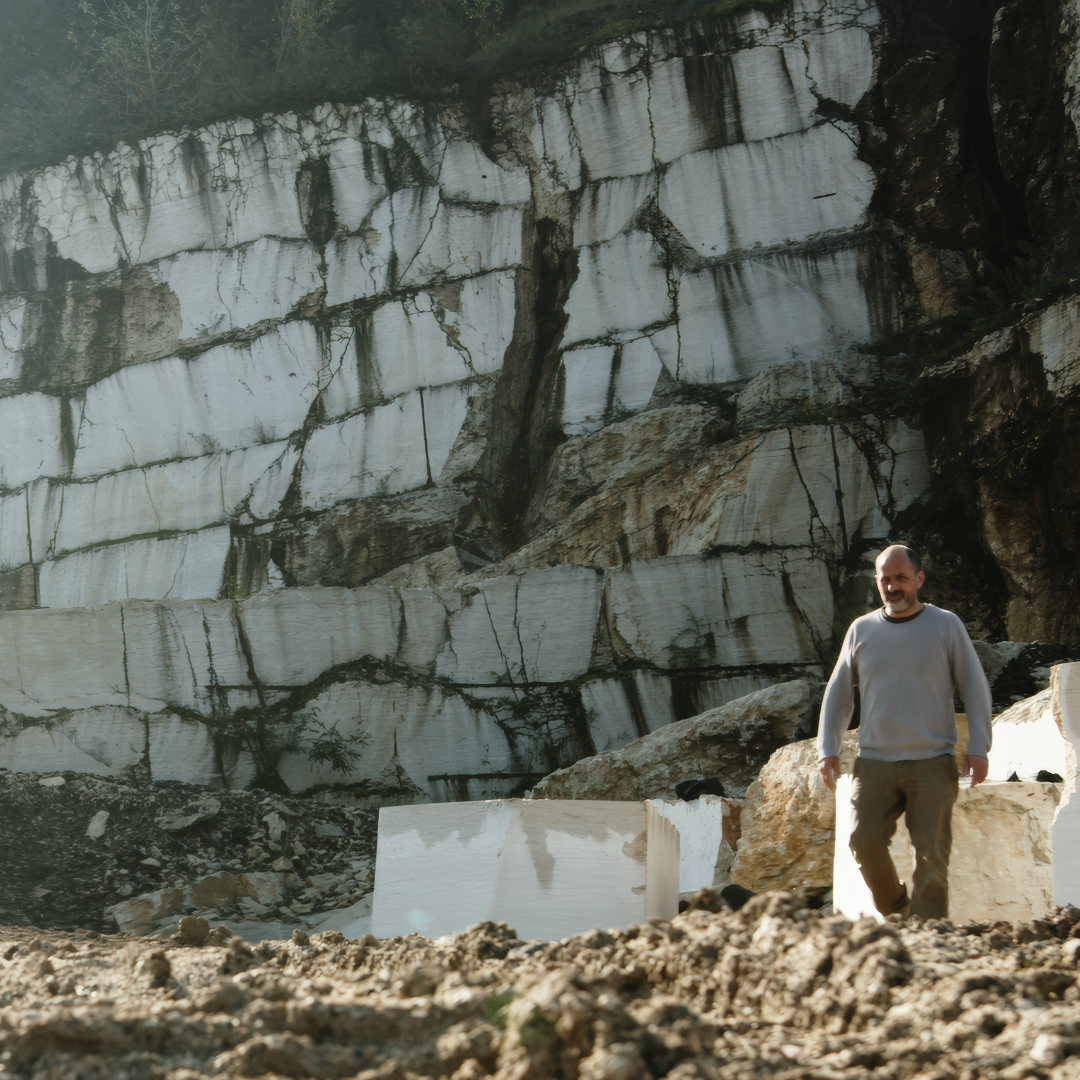
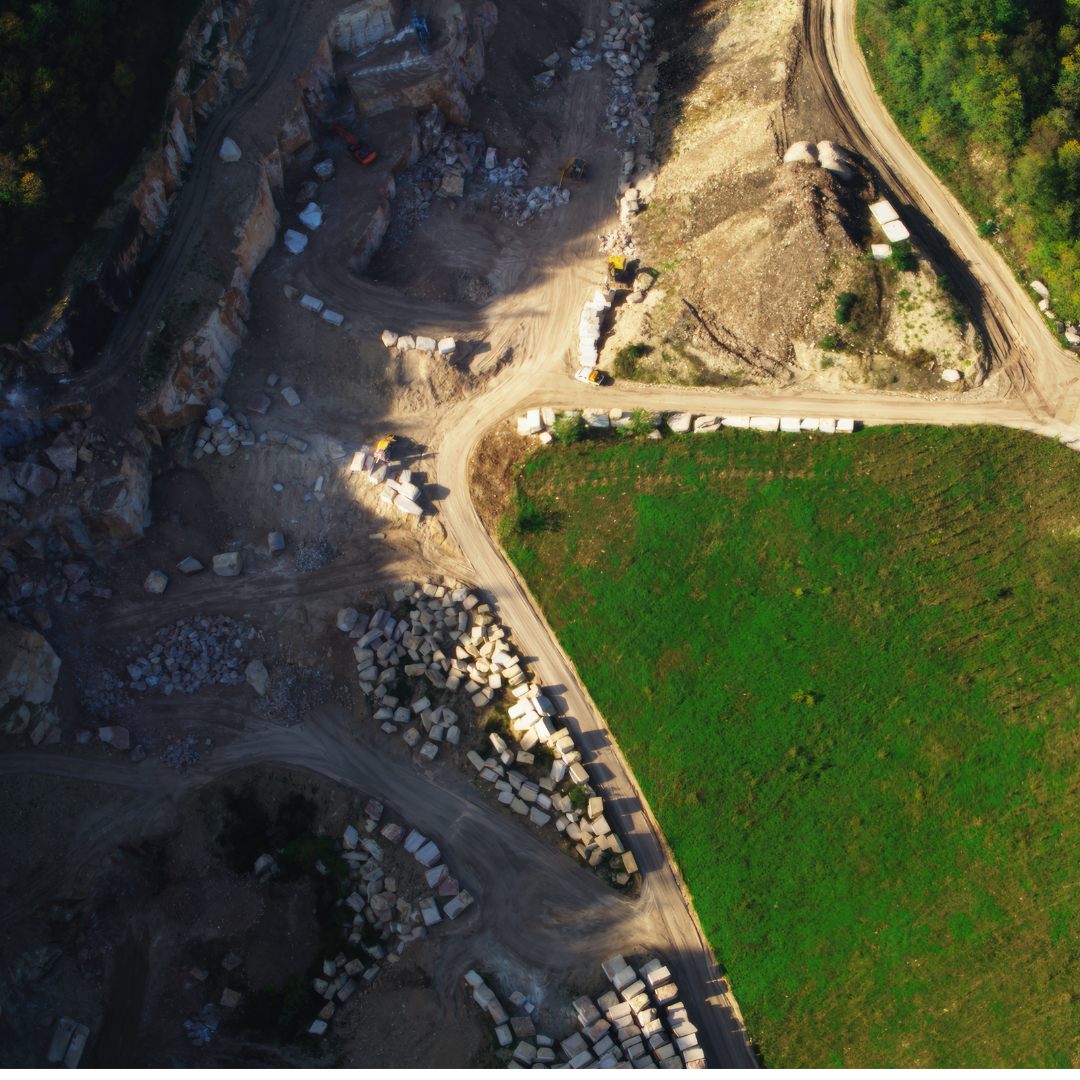
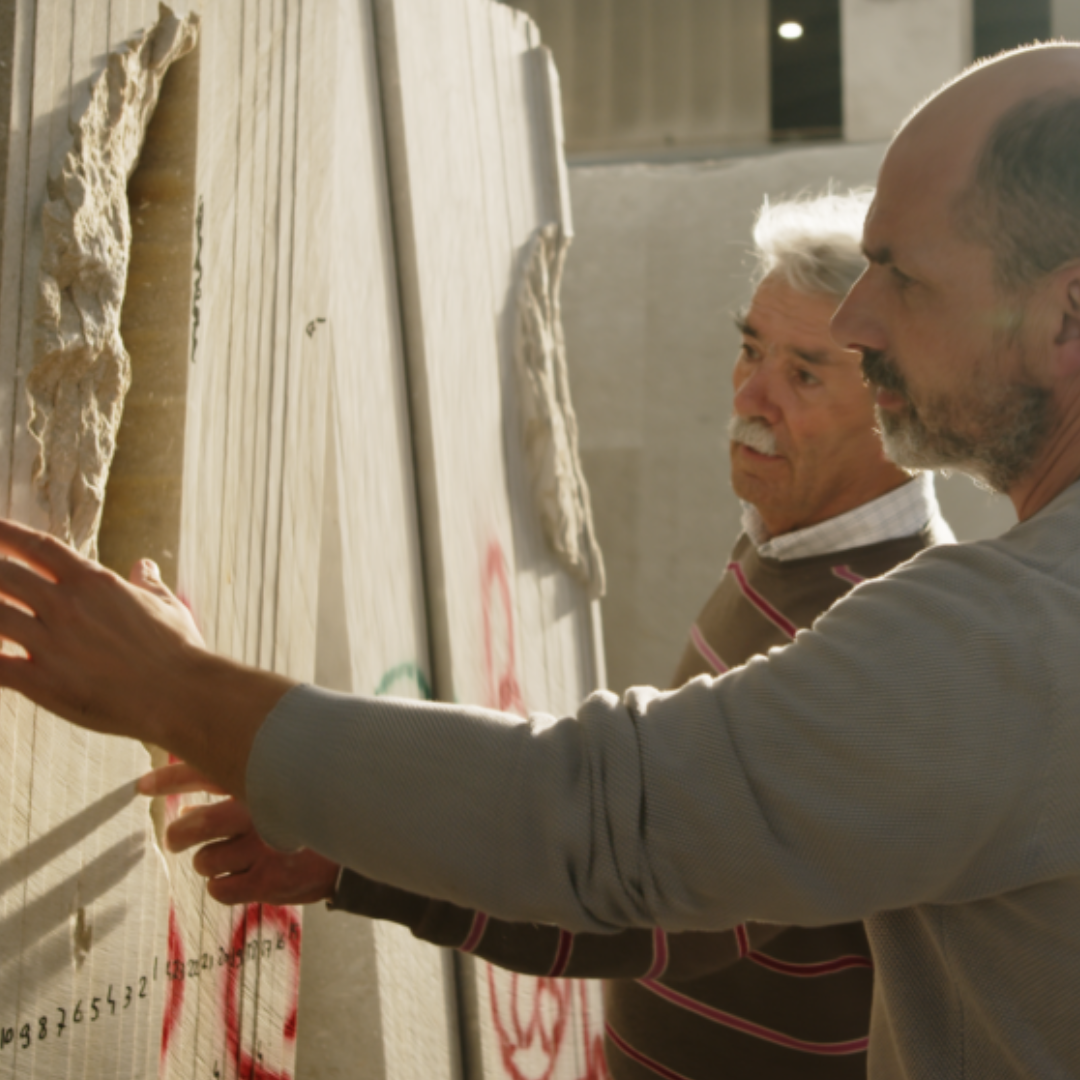
Extracted by the Faedo family from their own quarry located between the municipalities of Valdagno and Cornedo, in the province of Vicenza, Grolla Stone is a unique material, a splendid and distinctive example of high-quality Italian stone. Characterized by a palette of colors that ranges from light gray to beige, with possible veins that add depth and movement to its surface, Grolla Stone represents excellence in the world of fine stones. 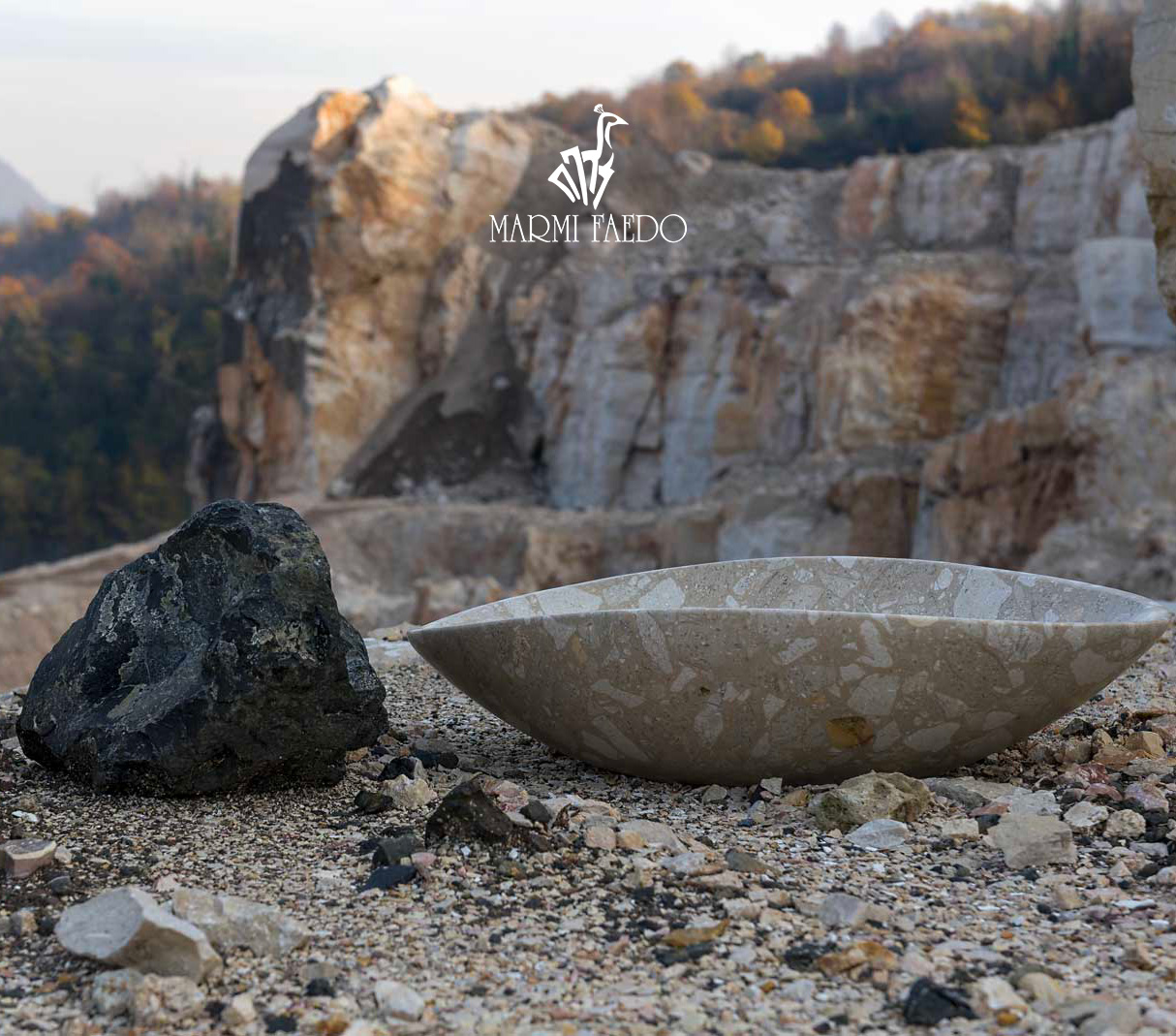
This variety of stone stands out for its notable hardness and resistance, making it ideal for a wide range of applications, from the creation of flooring and exterior cladding to decorative elements and high-quality interiors.
Its chromatic uniformity and the fineness of its veins make it particularly appreciated in the field of architecture and interior design, where the search for materials that combine natural beauty and technical performance is increasingly intense.
Grolla Stone is made unique by its intrinsic characteristics that no other material naturally possesses. Grolla is a metamorphic rock composed of 98% calcium carbonate. Its low water absorption, resistance to salt, chlorine, pollution, and frost make this natural stone suitable for both exterior and interior use.
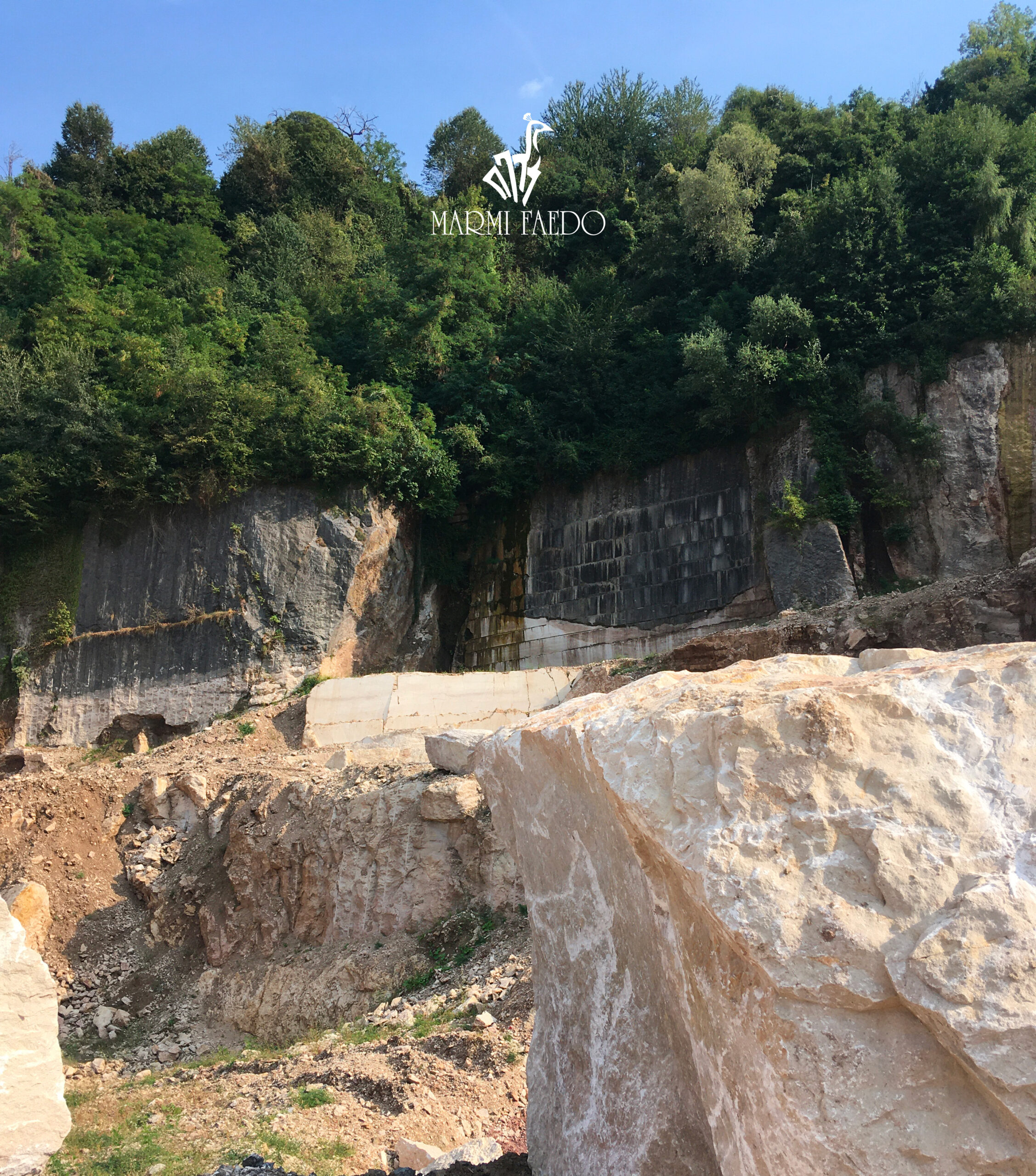
Not only is Grolla Stone appreciated for its aesthetic and technical qualities, but also for the company’s commitment to sustainable extraction practices that respect the surrounding environment. The Faedo family is strongly committed to preserving the landscape, ensuring that extraction is carried out with minimal environmental impact. This makes Grolla Stone not just a prestigious choice for luxury projects but also a conscious option for those seeking sustainable and responsible materials.
Stone between history and unique characteristics
Since the dawn of civilization, stone has played a key role in construction and ornamentation, bearing witness to human genius through the ages. The Egyptians were among the first to exploit its durability and beauty, using it to create eternal monuments and sarcophagi meant to last over time. Their mastery in stone processing marked the beginning of a long journey of aesthetic and engineering exploration of the material.
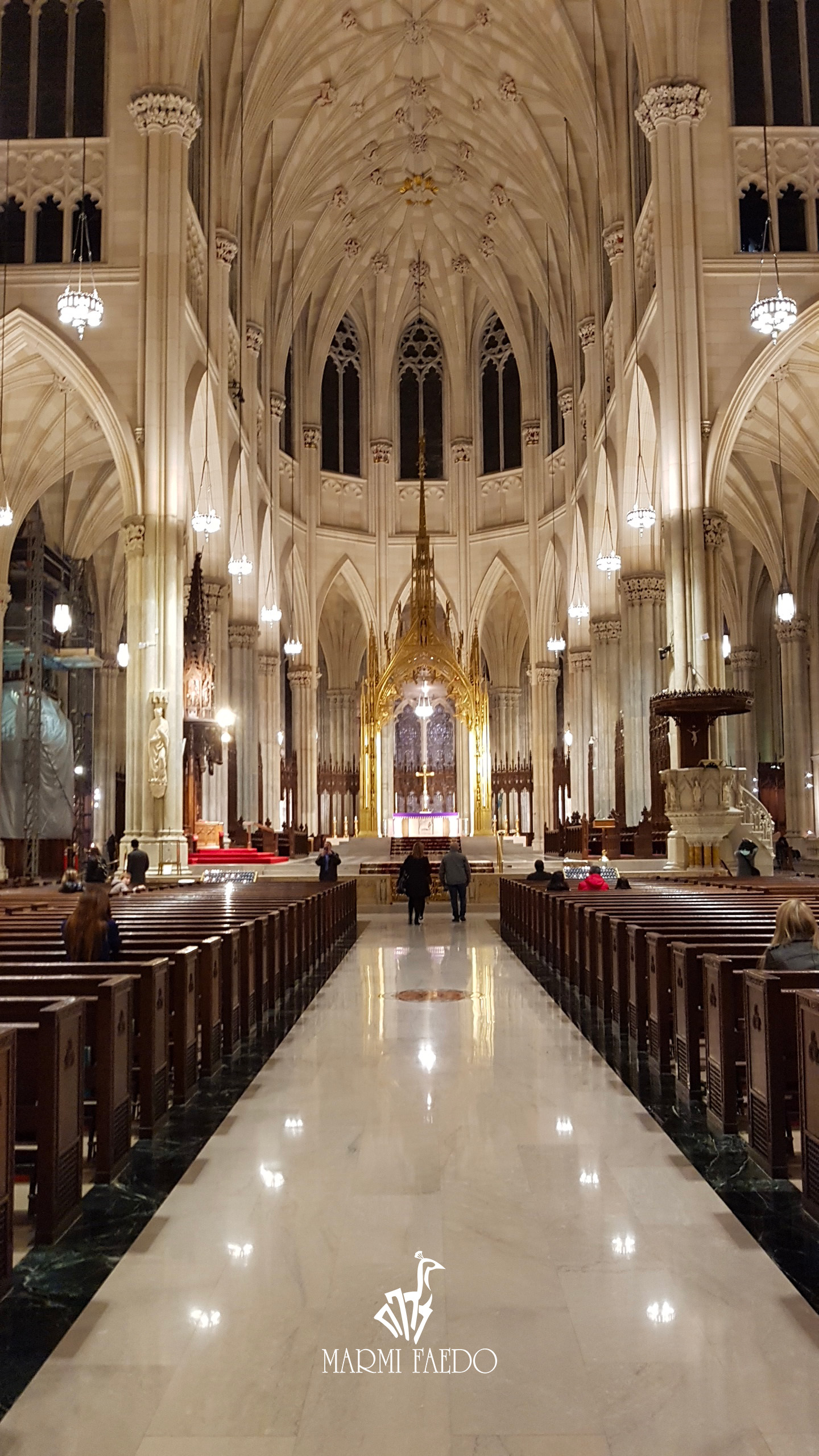
With the Greeks, stone found its highest expression in art and architecture. Temples like the Parthenon, on the heights of the Acropolis of Athens, are timeless examples of their skill in working with stone and its importance in representing aesthetic and spiritual perfection. Their ability to extract and sculpt stone into forms of divinity and buildings demonstrates a deep understanding of the material and its symbolic value.
The Romans further expanded the use of stone, not only for the grandeur of their public buildings and monuments but also in figurative art and private constructions. Importing fine stones from across their vast empire, they demonstrated the importance of stone as a symbol of luxury and power. The baths, forums, and palaces clad in stone are a testament to their innovation in its use and the technology of extraction and transportation.
The physical and aesthetic characteristics of stone, such as its durability, the ability to withstand the elements over time, and its intrinsic beauty, with unique veins that seem to capture and reflect light, have made this material a favored choice through the centuries. Its workability, allowing it to be sculpted into complex and detailed forms, has opened up endless possibilities for artists and architects. This combination of durability and beauty has made stone not just a construction material but a symbol of culture and refinement that transcends epochs, making it eternal in the history of art and architecture.
A sustainable material for your projects
Grolla Stone, with its unique characteristics and timeless beauty, represents an excellent choice for those wishing to incorporate a piece of natural history and art into every project. Its durability and charm make it suitable for both traditional and modern contexts.
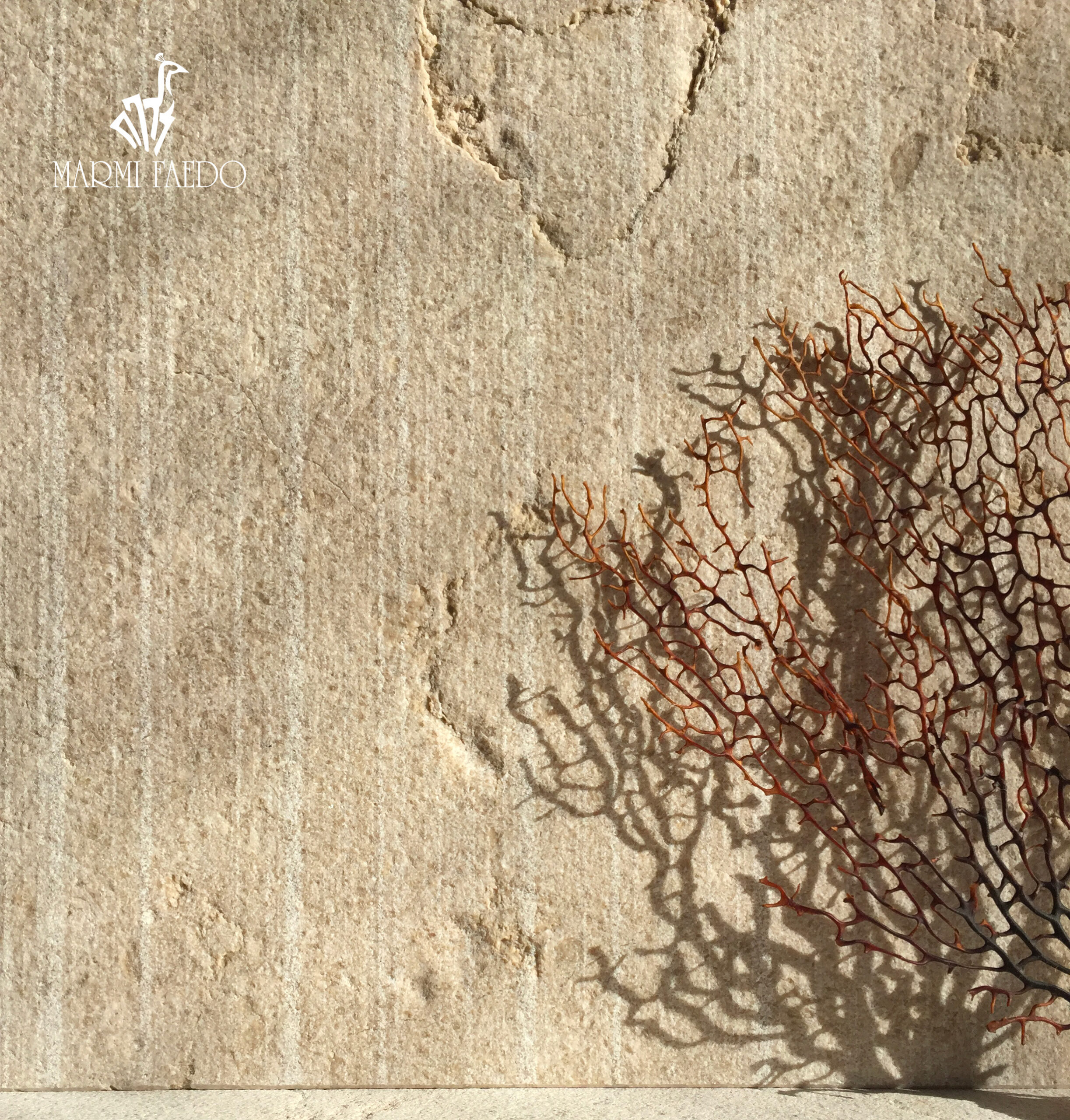
In an era where sustainability and the choice of natural materials become increasingly central in design and construction, stone, a 100% natural material, emerges as a prestigious solution, capable of combining respect for the environment and luxury. Its extraction, based on techniques that have evolved with respect for the landscape, and its longevity make it a responsible choice for the future of the planet and future generations.
Whether for cladding, decorative elements, or furniture pieces, choosing Grolla Stone means not only opting for beauty and quality but also incorporating into your space a piece of history, culture, and innovation. Grolla Stone, with its refined aesthetics and resistance, is ready to become the protagonist in your spaces, bringing with it the value of a natural heritage and the promise of lasting beauty.