Let’s start with the core question: what truly matters to architects who design for the luxury market?
It’s not just about aesthetics—though, of course, that’s part of it. It’s about creating spaces that resonate, that endure, that leave a lasting impression on everyone who enters them.
Architects working with high-end clients often find themselves navigating a complex landscape of expectations.
These clients want it all—timeless beauty, state-of-the-art functionality, and the assurance that every element of their home has been chosen with care.
For the architect, the goal isn’t just to meet those expectations—it’s to exceed them. And that requires more than just skill; it demands a deep understanding of the challenges that come with designing for this niche.
Take durability, for example. Clients who are investing in multi-million-dollar properties aren’t just looking for short-term solutions.
They want materials that can withstand the elements, heavy foot traffic, and the passage of time without losing their charm. Whether it’s a coastal villa battered by salt air or a mountain retreat facing frost and snow, the materials you choose need to perform—not just now, but decades into the future.
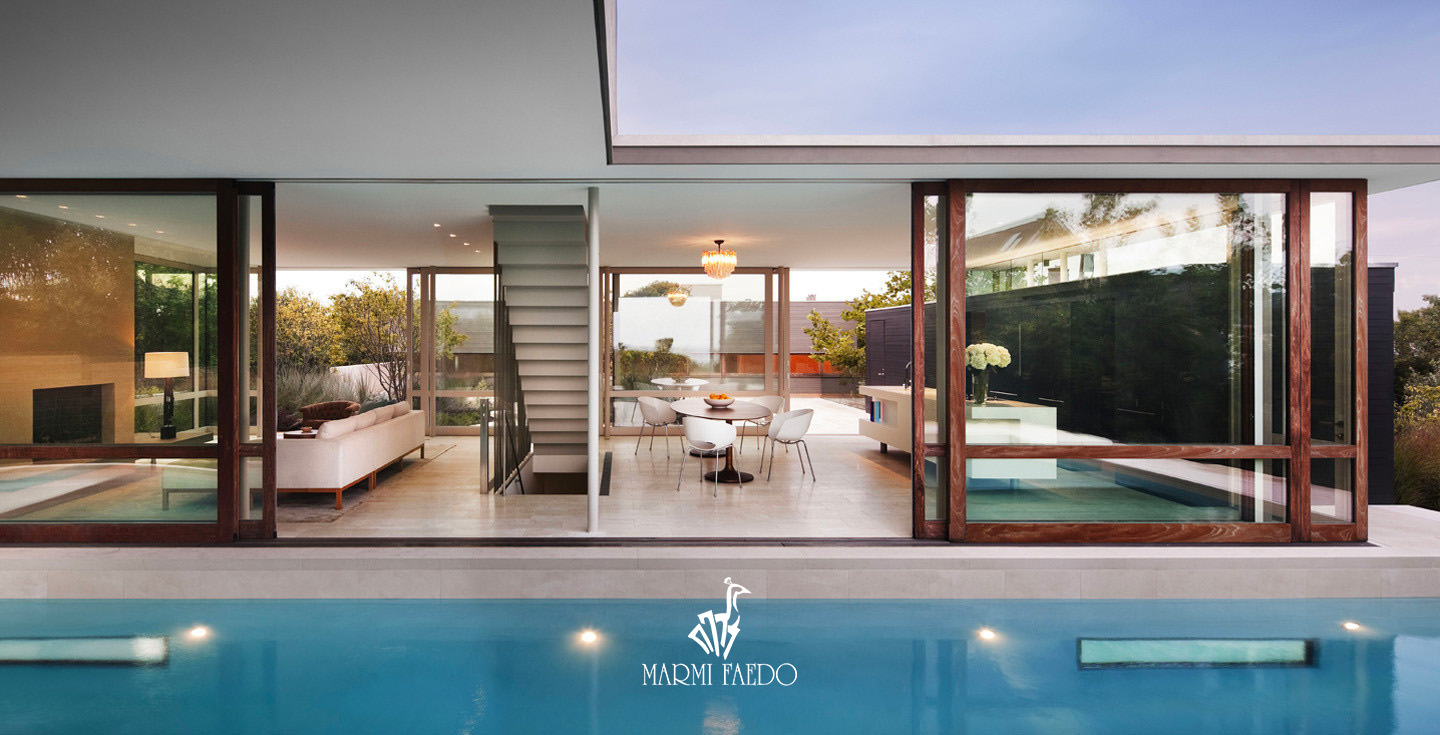
And then there’s the issue of cohesion. Luxury homes today are often designed with a seamless indoor-outdoor flow. This means the transition between spaces needs to be flawless, both visually and functionally.
Materials must harmonize with one another, ensuring that every surface, every texture, every finish feels like part of a unified whole.
But perhaps the most significant challenge architects face is managing the client’s evolving expectations.
Modern luxury isn’t about ostentation; it’s about balance. Clients want spaces that feel personal, grounded, and connected to their environment. Sustainability plays a big role here. Today’s high-net-worth individuals are increasingly conscious of their environmental impact, and they expect their homes to reflect those values.
This means integrating sustainable materials and practices into the design, without compromising on quality or beauty.
Consider the story of a recent project: a stunning villa overlooking the Atlantic, designed with one goal in mind: seamless indoor-outdoor living.
The client wanted polished floors inside, textured surfaces outside, and a flow that felt completely natural. Achieving this wasn’t just about choosing the right materials; it was about understanding the client’s vision and translating it into a space that felt effortless yet extraordinary.
The villa’s interiors featured polished stone floors that transitioned flawlessly onto the patio, where textured surfaces provided grip and durability. Every detail was meticulously planned to ensure that the materials harmonized with the home’s coastal surroundings.
The result? A space that felt timeless, resilient, and perfectly aligned with the client’s expectations.
But these results don’t happen by accident. Behind every successful project is an architect who has carefully navigated the complexities of material selection, client communication, and execution. It’s not enough to choose materials that look good on paper; they need to perform in real-world conditions, hold up under scrutiny, and deliver on the promise of quality that high-end clients demand.
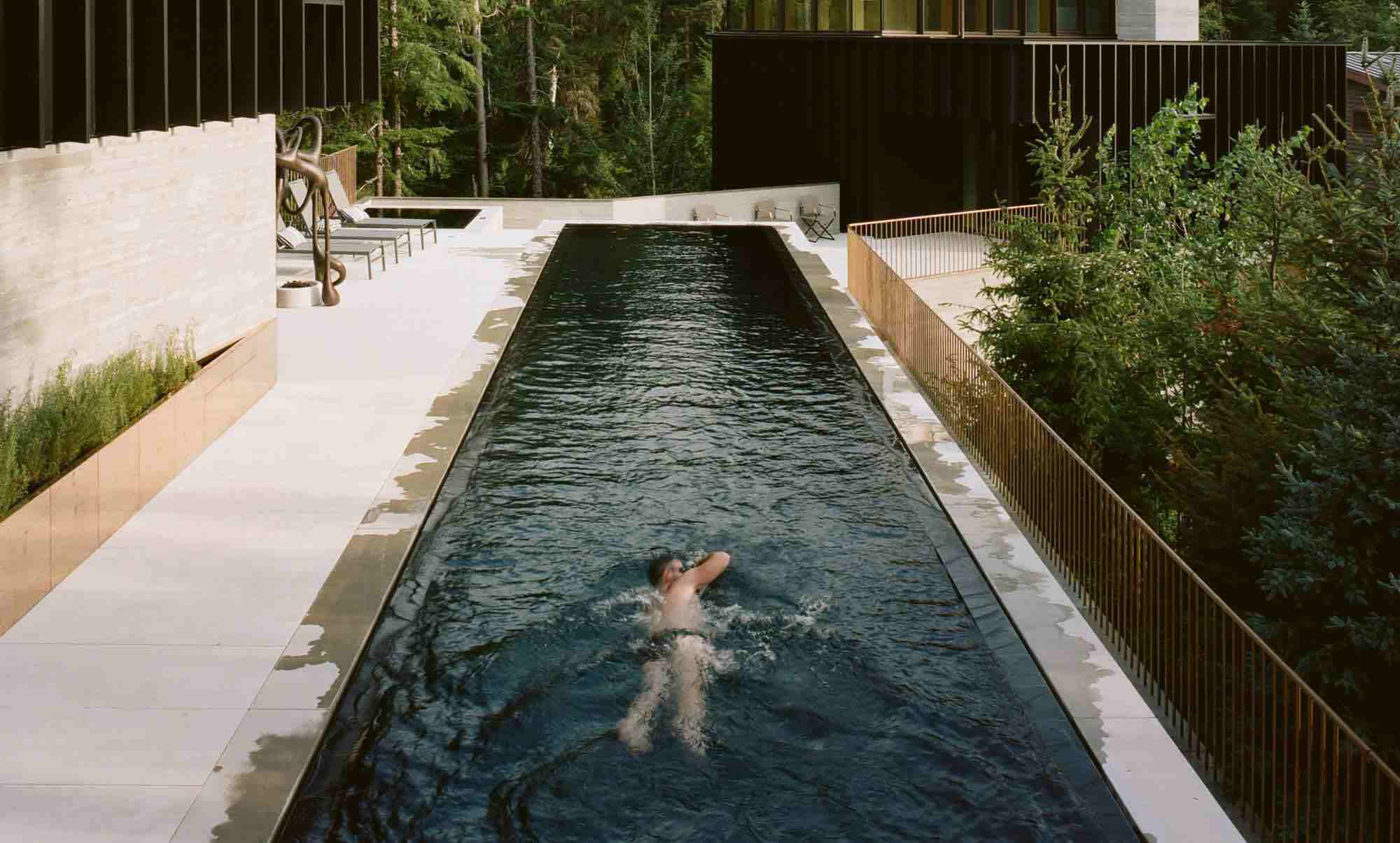
And then there’s the growing role of sustainability. High-end clients aren’t just looking for luxury anymore—they’re looking for responsibility. They want homes that integrate with their surroundings, use materials thoughtfully, and leave a smaller environmental footprint.
This might mean sourcing terrazzo made from recycled marble, using responsibly harvested wood, or incorporating reflective ceramic facades that enhance energy efficiency.
These choices aren’t just about meeting client demands; they’re about aligning with the values of a new era of luxury design.
Architects today are redefining what it means to design for the future. It’s not just about solving immediate challenges—it’s about creating spaces that tell a story, that reflect the aspirations of their inhabitants, and that stand as a testament to thoughtful design.
The best architects don’t just deliver projects; they create legacies.
Materials define architecture. They dictate how spaces feel, how they age, how they function across time.
Architects don’t just choose materials; they shape experiences with them. And nothing impacts this experience more than seamless transitions—interior flowing effortlessly into exterior, textures aligning in perfect harmony.
This is where Grolla limestone comes in. Known as a hard limestone, it stands apart due to its formation under intense pressure from volcanic basalt.
This process gives it remarkable density, low porosity, and resistance to the elements, making it one of the few natural stones that excel in both refined interiors and exposed exteriors.
It’s not just a material; it’s a tool architects can use to execute their vision without compromise.
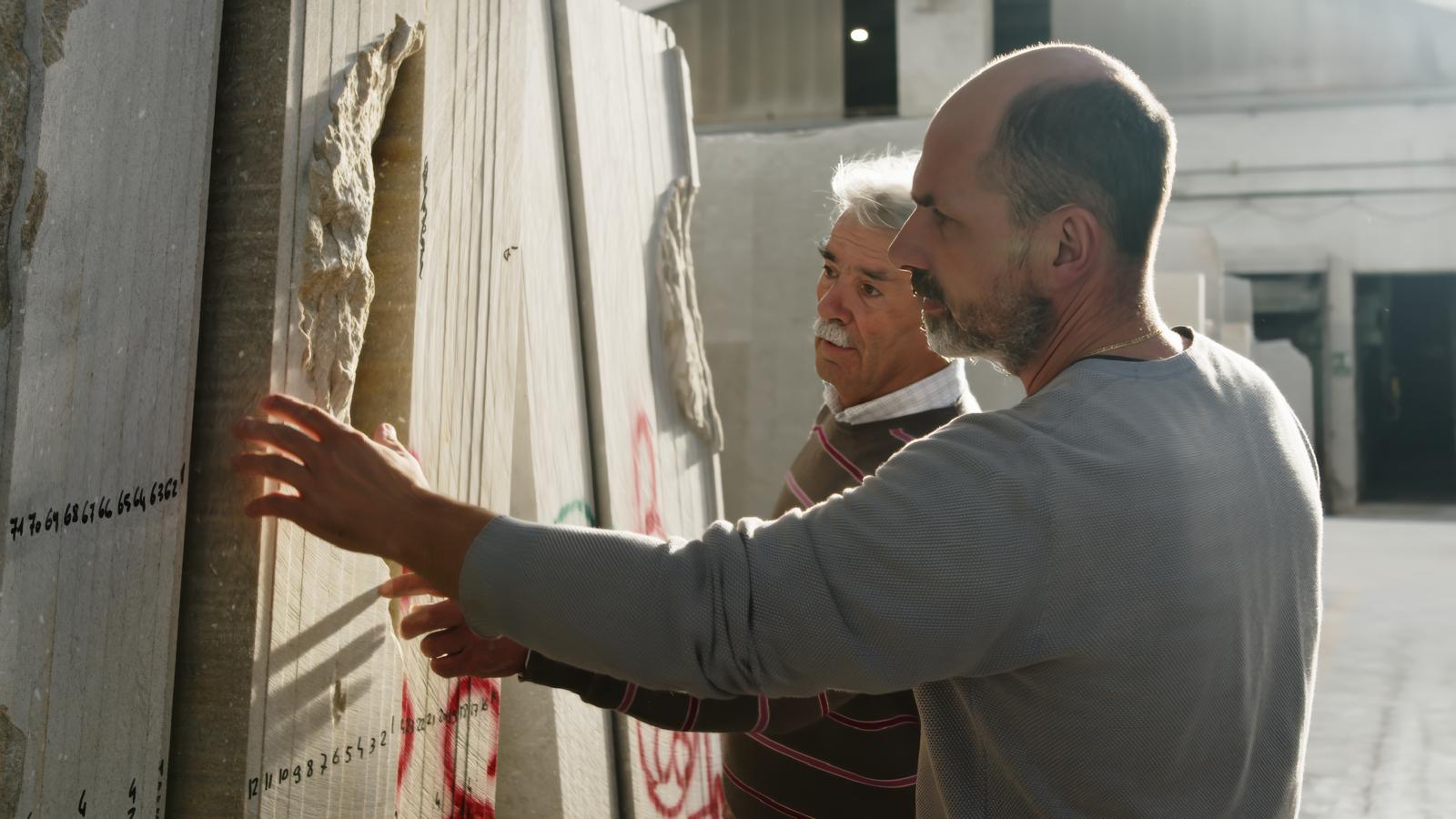
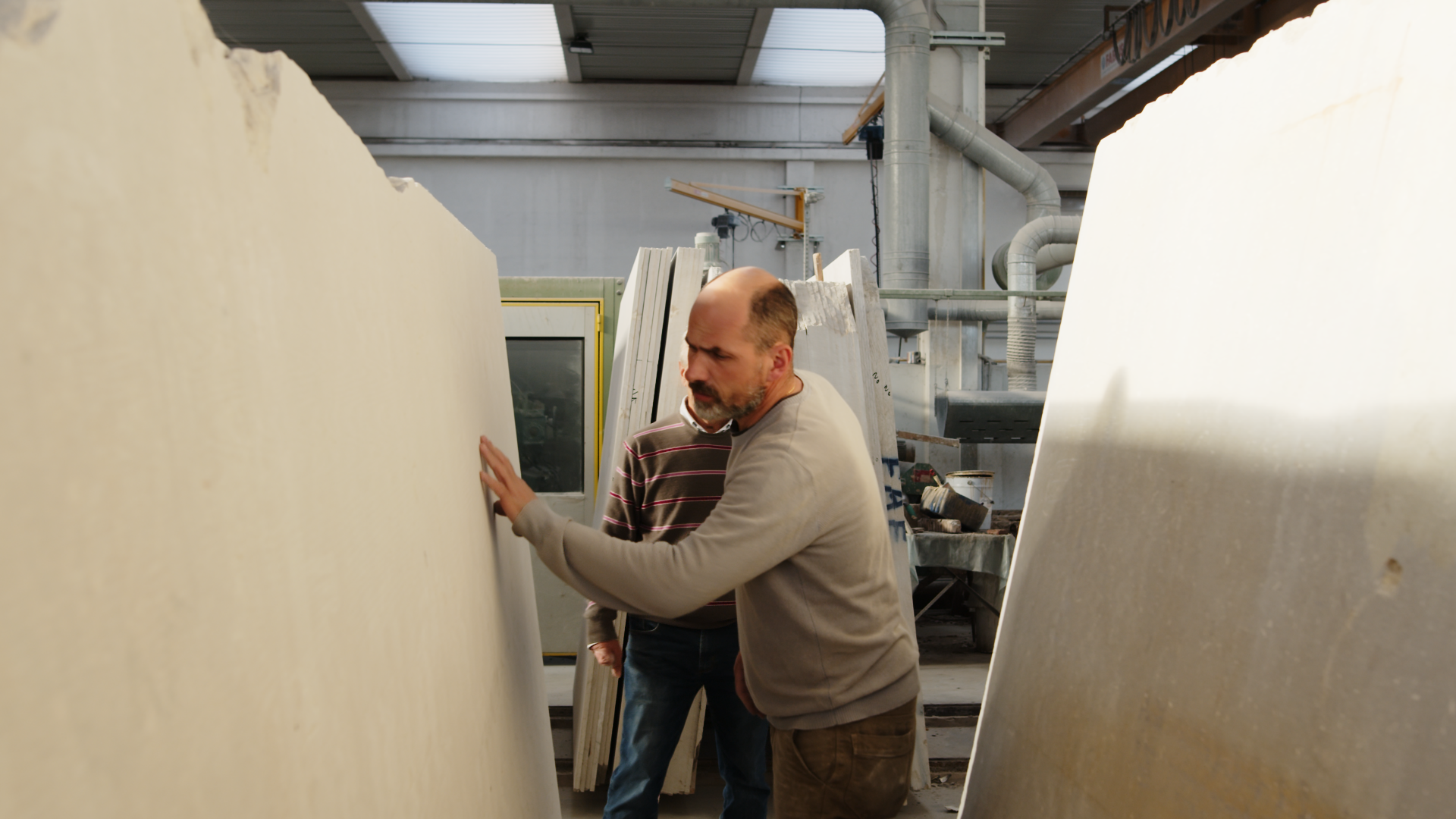
Marmi Faedo operates at this intersection of material mastery and architectural ambition. With over 70 years of experience, they’ve become a trusted partner for architects who demand consistency, quality, and precision.
Their expertise isn’t just about supplying stone; it’s about offering solutions tailored to the real challenges architects face—cohesion between spaces, longevity in design, and reliability in execution.
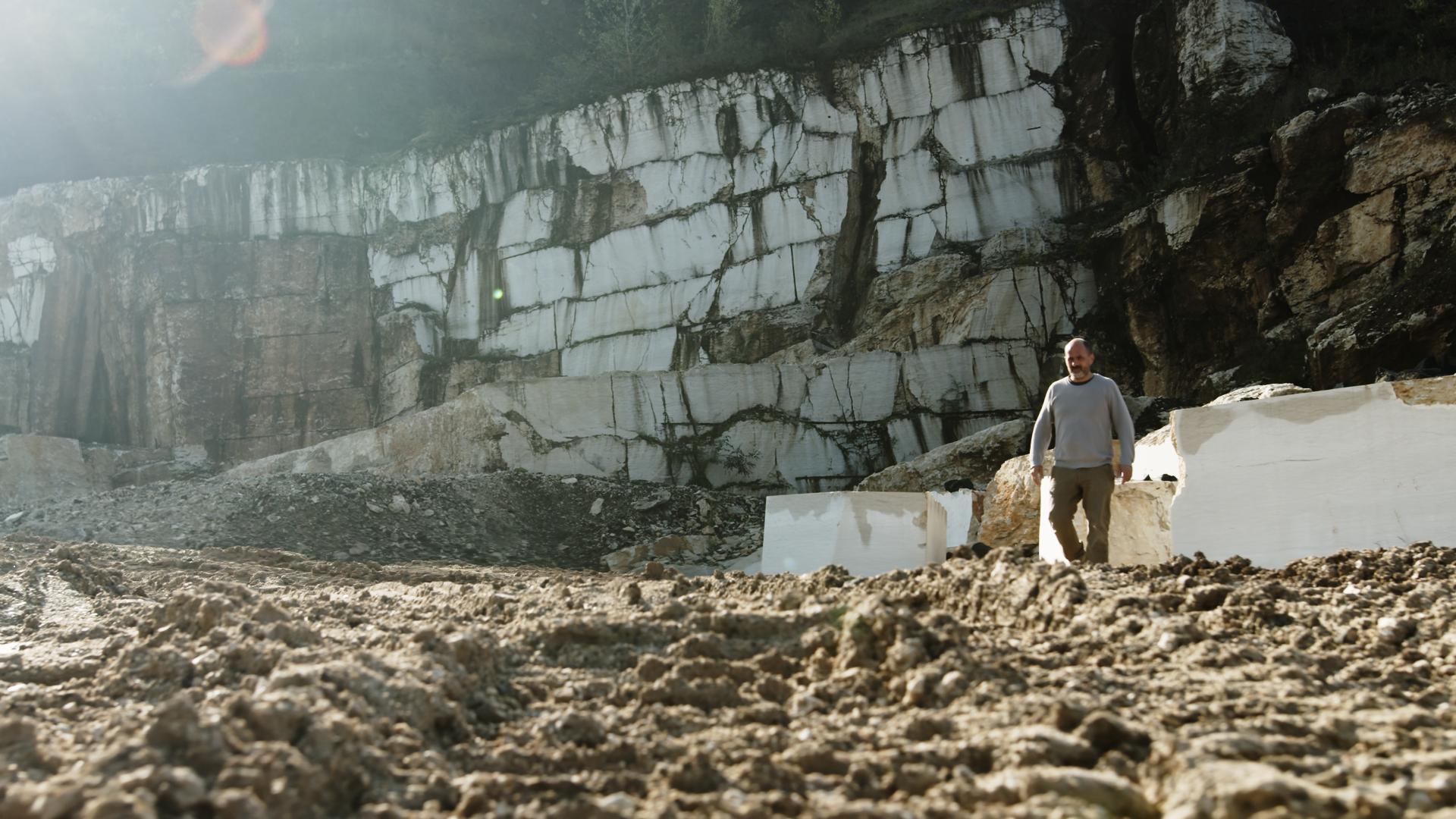
From their family-owned quarry, they have perfected the craft of selecting, cutting, and preparing materials that meet the highest standards.
Whether it’s custom-cut slabs for uninterrupted visual flow, dry-lay mockups to ensure precision before installation, or on-site supervision to guarantee seamless execution, their process is designed with the architect’s vision in mind.
At the end of the day, it’s not just about the stone. It’s about the impact it creates—the homes that feel timeless, the projects that stand strong against nature’s forces, and the architects who walk away knowing they’ve delivered something truly extraordinary.
Their expertise goes beyond supplying materials; it’s about providing solutions that align with the challenges and opportunities of luxury design.
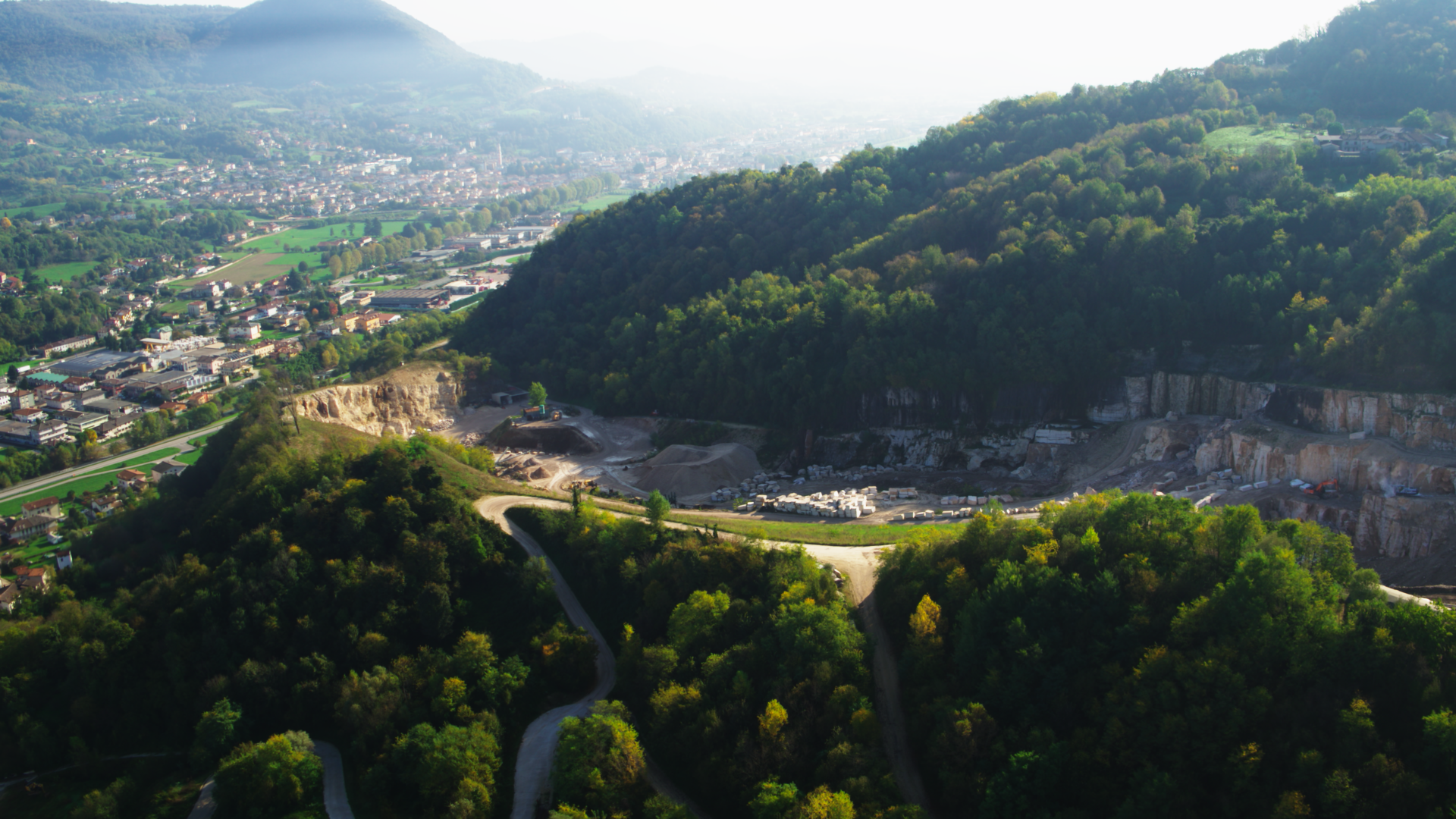
From their family-owned quarry, they’ve honed the craft of selecting and preparing materials that meet the highest standards of quality.
Whether it’s custom-cut slabs, dry-lay mockups, or on-site supervision, their approach ensures that every project benefits from a level of care and precision that few suppliers can match.
And while their Grolla limestone is a standout material, what truly sets them apart is their commitment to the success of every architect and builder they work with.
At the end of the day, it’s not just about the stone. It’s about creating spaces that matter—to the clients who live in them, to the architects who design them, and to the communities they become a part of.
That’s the essence of luxury design: a combination of vision, craft, and the ability to deliver something truly extraordinary.